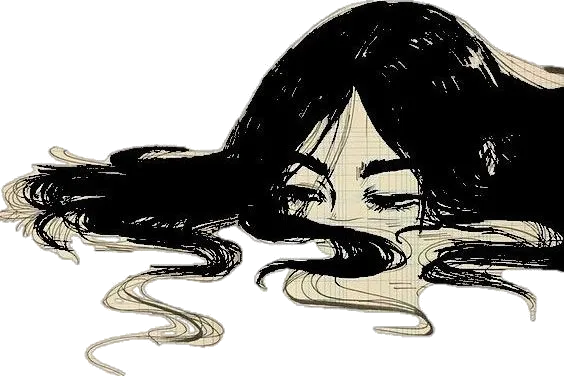
Power changes you (and it’s not a metaphor)
I’ve often seen people in positions of power mistreating others, steamrolling everything—qualities I detest in anyone, but even more in those who can do harm. The disturbing part isn’t that such people exist (there will always be some), but realizing it isn’t simply bad character; it’s not that they were born tyrants. I discovered it’s not so easy to explain: power corrupts biologically.
It makes you impulsive. It’s as if someone turned down the volume of that inner voice that usually tells you: “wait, think this through before you act.” It generates an illusion of invincibility. It’s not your paranoia—it effectively starts to resemble truth in your daily reality. If no one contradicts you, if consequences evaporate before reaching you, if the system is designed to absorb your mistakes while amplifying your successes, then why wouldn’t you feel invulnerable? Reality molds itself to your perspective. And the worst part: it switches off empathy. At times your brain stops processing other people’s pain the way it used to. It’s not that you become a conscious monster; it’s that the emotional resonance literally diminishes.
It’s a strange sensation—you haven’t changed, but that same power convinces you that you’re the one who makes the rules and that it’s fine to break them. As if it removed those inhibitory brakes that normally stop you; and worst of all, in that position other people often validate it, as if you had a magical license to be a bad person… that’s where the harm begins.
And no, this is not a quality of successful people that got them there; it’s simply brilliant people who end up destroying what they’re trying to build.
The recipe for ending up there
It’s rare to find someone who openly embraces these violent practices of control—at least in my circles. But if it were so rare, why is it so widespread in the world?
I think we need to remove that mask about people with “power” and accept something: most of the time, those who reach these positions don’t get there because they know more or are more capable. Reaching those positions is often as simple as speaking more than everyone else.
The system we have rewards those who fill empty spaces—even when they have nothing worth saying. It’s the person who constantly interrupts, who reformulates what you said but with more polish, who has an opinion on everything without listening to anyone. That person is the one most likely to reach a position of power.
It didn’t take me long to realize the world is full of these characters who fill silence with empty words. People who are busy talking are not listening. So in love with their own voice, they drown out the voices that truly matter. And they do it without bad intent—many times they genuinely believe they’re contributing.
We constantly confuse making noise with leadership, and that’s where it hits close to home. I spent my whole life striving for my words to be full of substance and, if I didn’t know a topic, keeping quiet and learning from those who had a formed opinion. In this world, reflective people—the ones who think before speaking, who truly have valuable things to contribute but don’t need constant validation—lose. And that’s what the system has chosen to reward: confidence over competence, visibility over substance.
Who do I want to be?
I was lucky (and it is luck, not merit) to find and share time with the right people. I learned from them that the true work of anyone who leads, in any situation, is not to impose themselves or accumulate recognition, but to make others shine.
We never liked bossing people around, we simply find comfort in the idea of leaving a legacy in others without expecting anything in return: doing good for its own sake and being clear about what truly matters. Respect and consideration for other people are not weaknesses. I’ve seen “powerful” people be empathetic, truly listen, and far from diminishing their authority, it multiplies it. People follow those who trust them, not those who make them afraid.
Leadership is not measured in KPIs, metrics, profits, or other empty things we chase like fetishists in this silly race we all play. It’s measured in the people we share with and learn alongside on the journey; in the ideas that flourish because they have the freedom to do so; and in the decisions others make as they gain confidence—because we learn to let go of that disgusting need for control that constantly limits us.
Have you seen the movie “Pay It Forward”? I think that’s what life is about. If “bad” people knew what a good deal it is to be good, they would be good at least for profit; and in a utilitarian world, practicing kindness is a revolutionary act.